
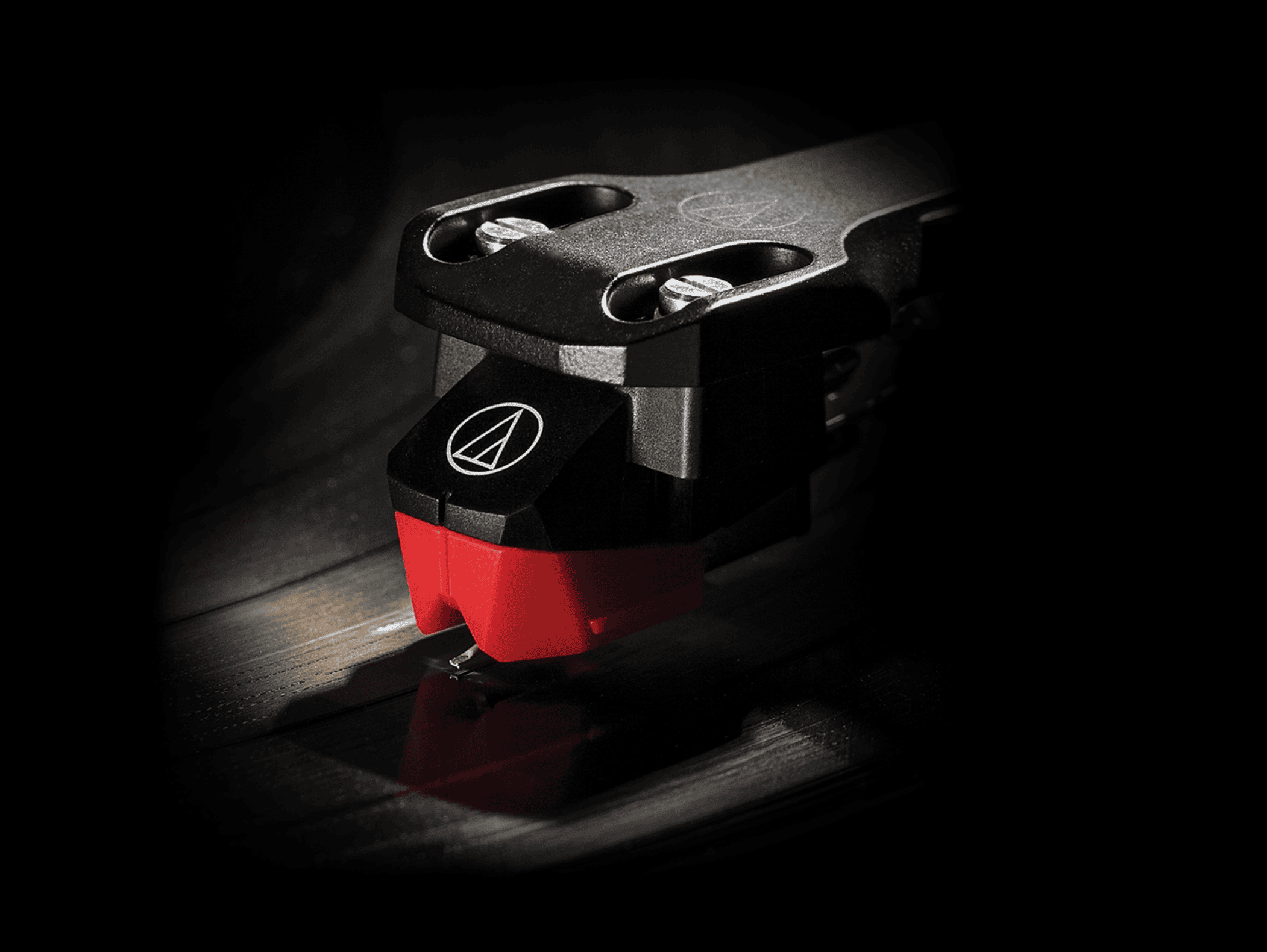
MM or MC cartridge? Compare output level, phono stage requirements, stylus replacement and practical differences before choosing.
The cartridge is a small component with a large role in a vinyl system. When you are considering an upgrade, the terms MM and MC quickly appear. They describe two ways of converting stylus movement into an electrical signal, with practical consequences for your amplifier, maintenance and budget.
Moving magnet: how MM works
In a moving-magnet cartridge, magnets move with the stylus assembly while the coils remain fixed. MM cartridges generally produce an output suitable for an MM phono input or phono preamplifier. They are widely used in home systems and offer a broad choice of prices and stylus shapes.
A major practical advantage is that many MM designs allow the user to replace the stylus assembly. When the tip wears out, you may not need to replace the whole cartridge. Replacement compatibility must still be checked for the exact model.
Upgrading within a cartridge family
Audio-Technica's VM95 family is a useful example. A compatible VM95 stylus can provide an upgrade while retaining the existing body: moving from an elliptical profile to a MicroLine version changes the part that follows the groove. The original guide illustrates this with the green elliptical and red MicroLine versions.
Such an upgrade still needs correct tracking force, alignment and a suitable system. A more elaborate stylus is not a remedy for a poorly adjusted turntable.
Moving coil: how MC works
In a moving-coil cartridge, the coils move in a magnetic field. This can allow a low-mass moving assembly, and many MC designs are chosen for their detail, dynamics and refinement. Actual performance depends on the individual cartridge and setup; the letters MC alone do not guarantee a particular sound.
Most low-output MC cartridges produce a much smaller signal than typical MM models. They need an appropriate MC phono stage or another suitable gain arrangement, with loading and gain matched to the manufacturer's requirements. Connecting one to an unsuitable MM input may result in a signal that is too quiet or poorly matched.
Replacement and ownership costs
MC styli are generally not intended for simple user replacement. Wear or damage can mean manufacturer service, retipping through an appropriate service, or cartridge replacement. This makes the long-term budget different from that of an MM cartridge with a replaceable stylus.
The Audio-Technica OC9X range offers MC options worth considering when the tonearm and phono stage are suitable. Check the complete system before choosing a cartridge solely on price or reputation.
Which should you choose?
MM is an attractive choice when you value straightforward compatibility, manageable running costs and an easy stylus upgrade path. MC can make sense in a system designed to support it and for a listener willing to invest in the associated electronics and maintenance.
Either type benefits from accurate alignment, the specified tracking force and clean records. Start with a well-adjusted system, then choose the cartridge that fits both your listening goals and the equipment around it.