
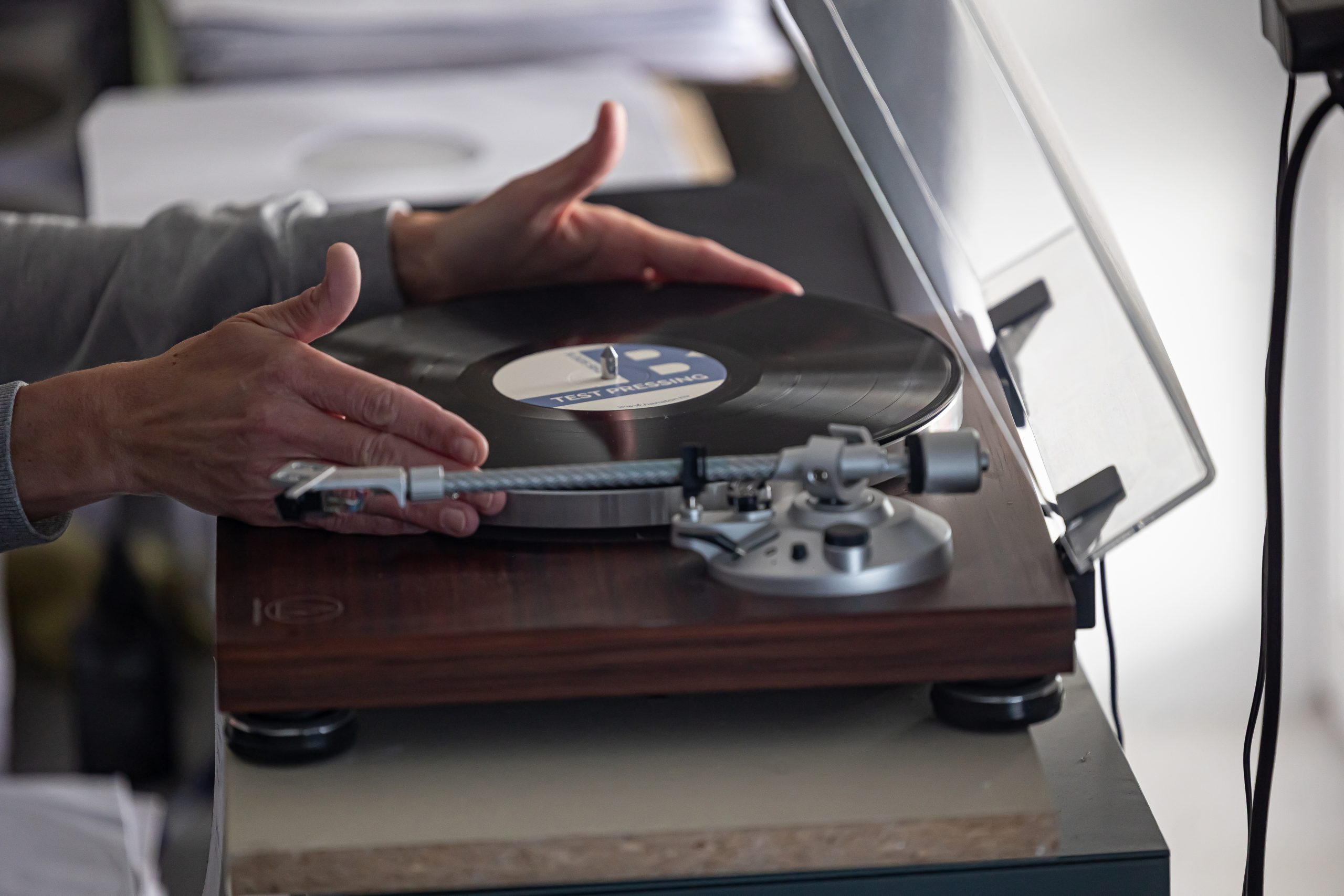
Cleaning records removes dust and residue from the grooves. Follow a practical routine for handling, wet cleaning, drying and storage.
Crackles, pops and a duller sound do not automatically mean that your stylus needs replacing. Dust, fingerprints and static can all get between you and the music. A regular cleaning routine is one of the most useful things you can do for a record collection.
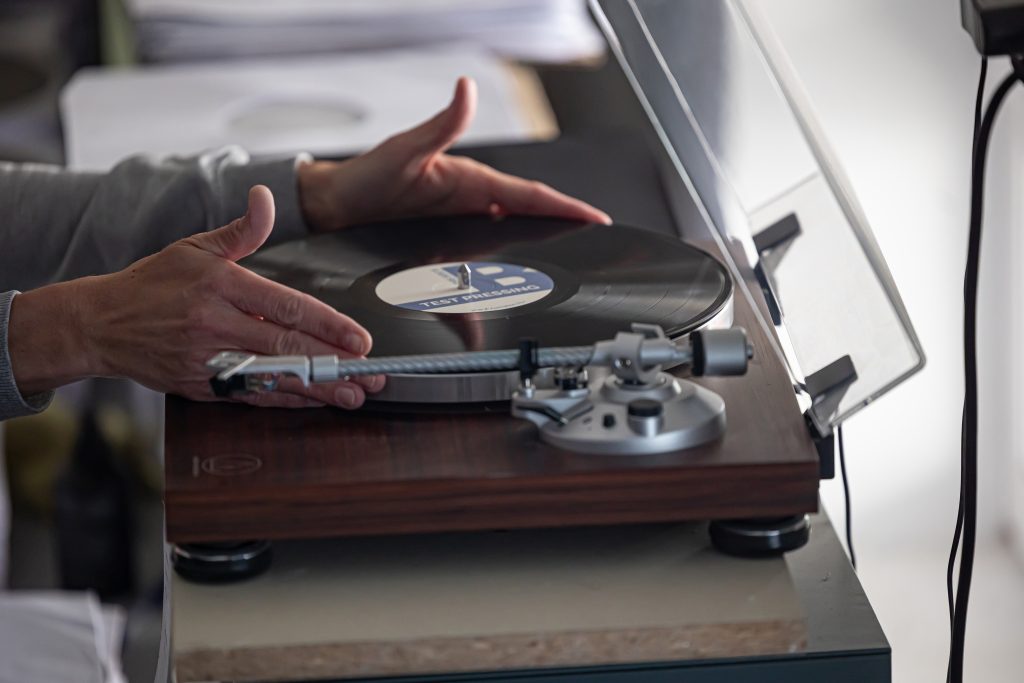
A quick clean before and after playback
Use a suitable record brush gently according to its instructions. With the record supported on the platter, allow a few rotations while the brush collects loose dust without pressing hard. Remove the collected dust using the brush manufacturer's recommended motion, and keep the brush itself clean.
An anti-static brush can help with loose surface dust and static, but it will not remove every deposit deep in the groove. Avoid dragging grit across the surface or touching the playing area with your fingers. Handle records by the edge and label area.
When dry brushing is not enough
Second-hand records, visible fingerprints and sticky deposits may need wet cleaning. Choose a cleaning fluid and method intended for the particular record material. Follow the cleaner's instructions, including any rinsing and drying requirements.
Tap water can leave mineral deposits. Household cleaners and improvised strong solvent mixtures can damage records or leave residues, so they are poor substitutes for a suitable record-cleaning product. Do not assume a method safe for vinyl is safe for shellac or every other format.
Use clean, appropriate tools and avoid soaking labels. If the system calls for a distilled-water rinse, use the specified water quality. Let the record dry completely before playback or storage; playing a wet record is not a shortcut to cleaning it.
Is a record-cleaning machine worthwhile?
A vacuum cleaning system can remove fluid and loosened contamination more effectively than simply letting dirty liquid dry on the surface. It can be useful for a larger collection or frequent second-hand purchases. The investment makes most sense when it fits how many records you clean, and the machine still needs correct fluid and regular maintenance.
Put a clean record into a clean sleeve
Cleaning loses much of its value if the record goes straight back into a dusty old inner sleeve. Replace contaminated or abrasive sleeves with a suitable clean protective inner. An anti-static polylined sleeve can combine paper support with a smoother lining.
An outer protective sleeve helps preserve the jacket. If a jacket is damaged, an appropriate replacement cardboard sleeve can offer protection; keep the original printed packaging where it has artistic or collector value. The shop includes sleeve and jacket options alongside cleaning supplies.
Storage matters too
Store records upright, away from excessive heat and direct sunlight, without forcing them into an overcrowded shelf. Keep dust under control and return records to their sleeves after listening. Regular light maintenance, occasional deeper cleaning when needed and sensible storage work together to keep the music clear.